Source: Civitatis · checked on 19 October 2026. Subject to change. Affiliate link.
START HERE
Vienna isn't a checklist. Discover it.
In Vienna, plan around Schönbrunn Palace, the Hofburg's Imperial Apartments, the Belvedere and St Stephen's Cathedral. The palaces and the Belvedere are worth booking ahead. The Schönbrunn gardens, the cathedral entrance area, the MuseumsQuartier courtyards and the Naschmarkt are free to walk.
Vienna was the seat of the Habsburgs for centuries, and the sights follow that history. The palaces are the paid core: Schönbrunn, the Hofburg and the Belvedere each sell timed or route-based tickets, and each one fills half a day. The compact Innere Stadt, the first district inside the Ring boulevard, puts the Hofburg, the cathedral and the old coffee houses within walking distance of each other.
The rest of the city is easier to enjoy for free. The MuseumsQuartier has large courtyards with seating, the Naschmarkt is a long market street of stalls and small restaurants, and the Schönbrunn gardens cost nothing to enter. Pair one palace with one free area per day and you will see more than if you stack three ticketed visits back to back. Check the official sites for opening days before you fix an order.
Bella Visita editorial team · Sources and editorial guidance: 19 October 2026
THE BEAUTY, ONE PLACE AT A TIME
What's worth the visit.
6 selected places
01 Ticket neededBetter to book ahead
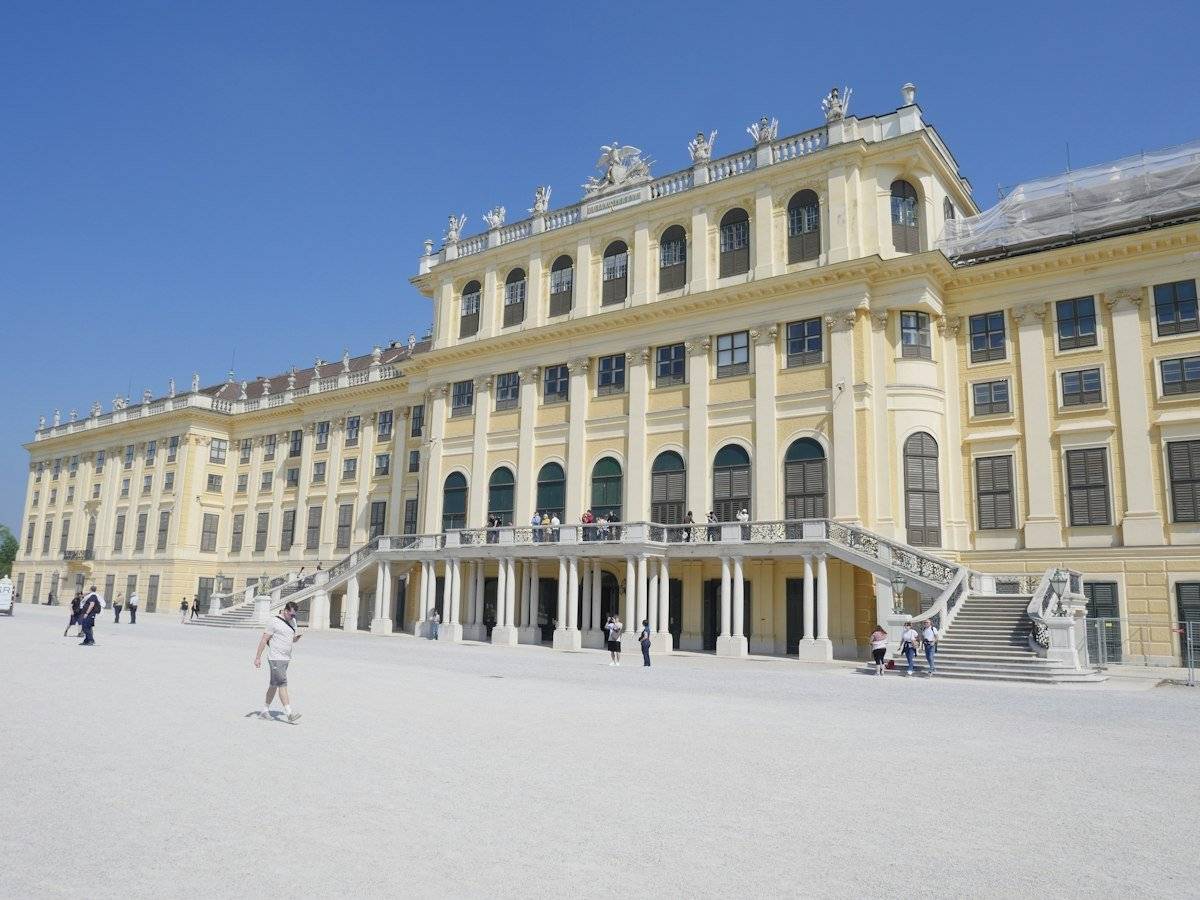
Schönbrunn Palace
The Habsburg summer residence on the edge of town. Palace interiors are timed; the gardens are free.
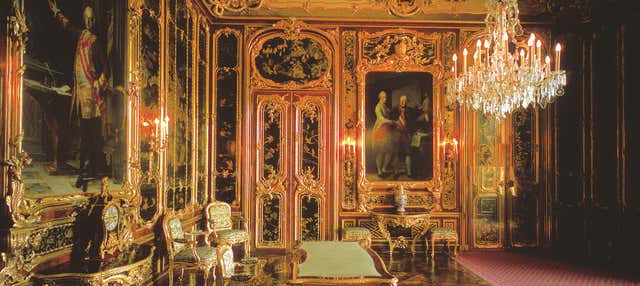
The palace offers more than one route through its rooms, with the shorter Imperial Tour and the longer Grand Tour, so choose before you buy. Highlights include the Great Gallery and the Hall of Mirrors, where a young Mozart is said to have played for Empress Maria Theresa. The gardens are free to walk and climb to the Gloriette on the hill. The zoo and Palm House are separate visits.
The choice, in practice. Book a timed slot ahead and arrive early, since the entry time is fixed to your ticket.
The imperial winter palace: Franz Joseph's apartments, the Sisi Museum and a silver and porcelain collection.
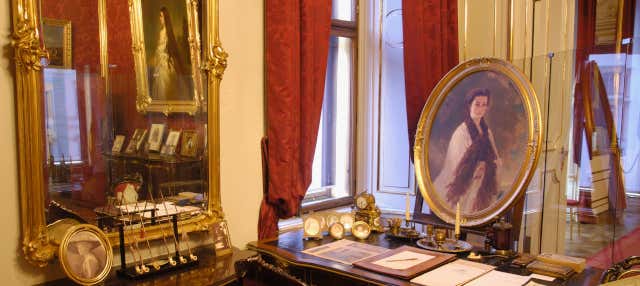
The Hofburg is a large complex, and this visit covers the Imperial Apartments, the Sisi Museum and usually the Silver Collection. The apartments show where Emperor Franz Joseph worked and lived, down to his study and bedroom. The Sisi Museum follows the life of Empress Elisabeth, who was assassinated in Geneva in 1898. Other parts of the Hofburg, such as the Treasury, sell separate tickets.
The choice, in practice. Check the official site for what your ticket covers and book a slot if one is offered.
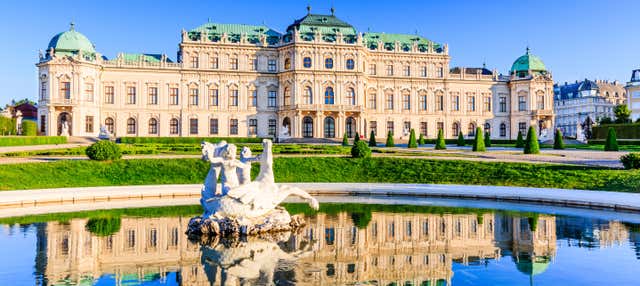
Two baroque palaces and a garden between them. Klimt's The Kiss hangs in the Upper Belvedere.
Prince Eugene of Savoy built the Belvedere in the early 1700s. The Upper Belvedere holds Klimt's The Kiss, plus works by Schiele and other Austrian painters. The Lower Belvedere and Orangery host exhibitions. Upper and Lower are separate tickets, so choose the building that matches what you came for. The garden between the two palaces is free to walk and slopes toward the city.
The choice, in practice. If you want The Kiss, buy the Upper Belvedere. The Lower alone will not show it.
The Gothic cathedral at the heart of the old center. Entrance area free; towers, catacombs and full nave are paid.
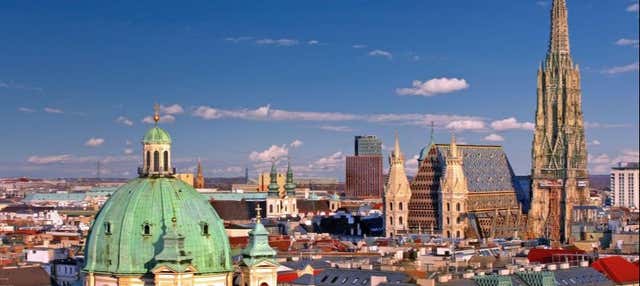
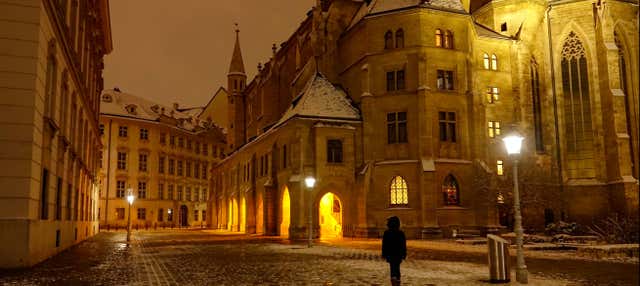
The cathedral is recognizable by its steep roof of colored tiles and the tall south tower, known locally as the Steffl. You can step into the entrance area and look down the nave for free. A ticket is needed to go further inside, to climb a tower or to join a catacombs tour. The area around it is a pedestrian zone and a natural starting point for the old center.
The choice, in practice. Visit early or late to see the entrance area without a crowd, and check the official site for the ticket you need.
A former imperial stables turned museum quarter. The courtyards are free; each museum has its own ticket.
The complex mixes baroque buildings with modern museum blocks around large courtyards. The Leopold Museum holds a big Schiele collection, and mumok shows modern and contemporary art. The courtyards are free and have colored outdoor seats that locals use in good weather. You can sit there without buying anything and decide which museum, if any, to add on that day.
The choice, in practice. Use the courtyards for a break between sights, then pick one museum rather than several.
A long market street with stalls of spices, olives and produce, plus small restaurants. Free to walk.
The Naschmarkt runs along the Linke Wienzeile and combines food stalls, spice sellers and small restaurants that spill onto the street. It is a good place to eat a casual lunch or to buy picnic food. The Secession building, with its gilded dome, stands near the Karlsplatz end and makes a short stop if you are interested in Klimt's Beethoven Frieze, which is inside and ticketed.
The choice, in practice. Compare restaurant menus before you sit down, since the prime stalls cater to visitors.
Not just monuments. Three ways into its character.
01 / ANOTHER VIEW
Innere Stadt
The first district, inside the Ring boulevard. The Hofburg, St Stephen's, the Graben and many coffee houses are here, all within a short walk. Plan a full day on foot here, and start early, before the pedestrian streets fill up.
The seventh district, right behind the MuseumsQuartier. Spittelberg has Biedermeier lanes with small shops and restaurants, and the streets around it have independent boutiques and cafés. A good place for an unhurried dinner and a walk after a day of palaces.
The second district, across the Danube Canal from the center. It has the Prater park with the Riesenrad Ferris wheel, the Karmelitermarkt and a long Jewish history that shaped the streets around it. The park is free to enter, while the Ferris wheel and the rides are paid.
St Stephen's Cathedral, MuseumsQuartier, Naschmarkt. Walks don't include the interiors of attractions.
Choose your entry.
Schönbrunn Palace, Hofburg: Imperial Apartments and Sisi Museum, Belvedere. Check the date, the time and the areas included in the option you choose.
Give places context.
A guide can make the difference if you want to connect what you see to history. Compare language and inclusions before booking.
A detail that helps. Book timed entries for Schönbrunn, the Hofburg and the Belvedere before you travel, and pick the tour route at Schönbrunn when you buy.
Decide which Belvedere building you want. Upper holds The Kiss; Lower and the Orangery host exhibitions.
Plan one palace per half day. The distances are short, but each visit takes longer than it looks on a map.
Public transport covers every sight, and the U4 line stops at Schönbrunn. In the old center, walking is faster than any tram.
QUESTIONS TO ASK FIRST
Inside Vienna, with a clear head.
What should I book in advance in Vienna?+
Book Schönbrunn Palace, the Hofburg Imperial Apartments with the Sisi Museum, and the Belvedere before you travel, especially for a busy weekend or holiday. The cathedral entrance area, the MuseumsQuartier courtyards and the Naschmarkt do not need any ticket. Check each palace's official site for the exact route you want.
Can I visit Schönbrunn without a guide?+
Yes. Self-guided tickets normally include an audio guide in several languages, and the gardens are free to enter. If you want a live explanation, tours with a guide in English are available through the Civitatis listings below. Check the listing for the route, since the two Schönbrunn routes cover different numbers of rooms.
Which Belvedere ticket do I need to see The Kiss?+
You need the Upper Belvedere. Klimt's The Kiss hangs there, together with other works by Klimt and Schiele. The Lower Belvedere is a separate ticket that mostly hosts exhibitions. Check the official site to confirm the current display before you pay.
How do I get from the center to Schönbrunn?+
Take the U4 line to Schönbrunn station, which is a short ride from the center. The palace entrance is a few minutes on foot from the stop. A taxi or tour bus also works, but the U-Bahn is the simplest way.
CURIOSITY DESERVES CLEAR SOURCES
Where the information comes from.
Each place links to its own source. The text separates editorial guidance from conditions to reconfirm for your date.