Poland Stories to understand
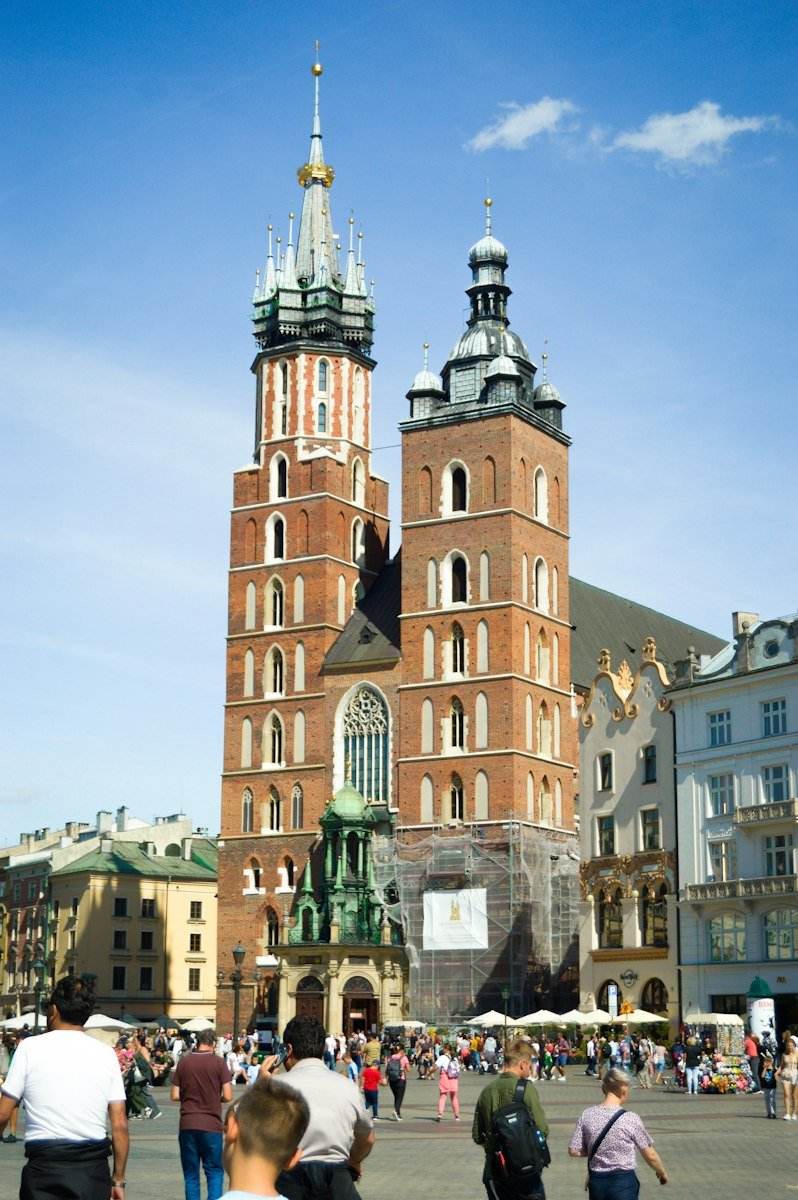
Kraków
A walkable old town, with a few visits worth reserving
Main Market Square (Rynek Główny) · St Mary's Basilica
For a first trip to Poland, start in Kraków: the Main Market Square and Wawel Castle, Kazimierz, and day trips to Wieliczka and Auschwitz-Birkenau. Wawel, Schindler's Factory, Wieliczka and Auschwitz need booking ahead. Warsaw, Gdańsk, Wrocław and the Tatra Mountains work as later trips.

Source: Civitatis · checked on 19 October 2026. Subject to change. Affiliate link.
Poland rewards a slow route. Most first-time visitors begin in Kraków, which has the densest cluster of sights within walking distance: a medieval market square, a hilltop castle and cathedral, and the old Jewish district of Kazimierz. Our Kraków page labels each place as free, ticket or worth a guide, and says what to book before you go.
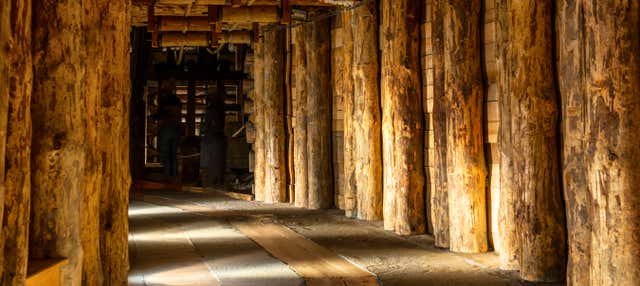
Two visits near Kraków need advance planning. The Wieliczka Salt Mine can only be seen on a guided visit in set languages and times. The Auschwitz-Birkenau Memorial is free to enter, but you must reserve an entry pass for a specific time, and many visitors choose a visit with an educator. We cover that in a separate, plain guide, because it is not a tourist attraction in the usual sense.
Beyond Kraków, Poland changes character from city to city. Warsaw was largely rebuilt after the Second World War. Gdańsk sits on the Baltic coast with a very different feel. Wrocław has its own island of old churches and bridges, and Zakopane is the base for walking in the Tatra Mountains. We do not have pages for them yet, so the notes below are orientation only. Check each city's official tourism site before you plan.
A walkable old town, with a few visits worth reserving
Entry to the Auschwitz-Birkenau Memorial is free, but you must reserve an entry pass for a specific time on the official site. A visit with a Memorial educator is paid and offered in many languages. The site is in Oświęcim, roughly 70 km from Kraków. Plan most of a day.
Visiting information for Auschwitz-BirkenauThe Old Town was rebuilt after near-total destruction in the Second World War and is listed by UNESCO. The rest of the city is large, with museums and parks spread out, so it suits a stay of a few days and a good use of public transport.
A Baltic port with a reconstructed old town around the Long Market. The Solidarity movement began in the shipyard, and the European Solidarity Centre and the Museum of the Second World War cover this history. Sopot and the Baltic beaches are nearby by train.
A river city built across islands and bridges, with a large market square and the old cathedral district of Ostrów Tumski. The small bronze dwarf figures scattered through the streets are an easy way to turn a walk into a small hunt.
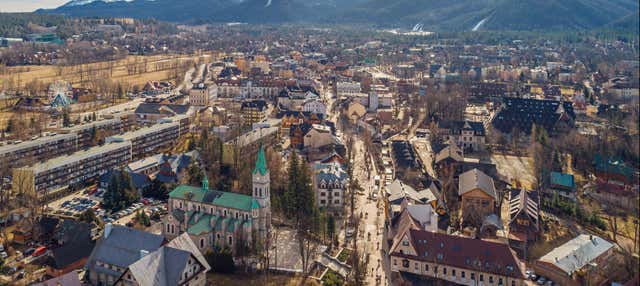
The mountain town south of Kraków is the starting point for hiking in the Tatra National Park. Routes range from easy valley walks to long ridge days. Weather changes quickly in the mountains, so check conditions and trail status locally before you set out.
Book timed entries in Kraków: Wawel Royal Castle exhibitions, Oskar Schindler's Enamel Factory and the Wieliczka Salt Mine. For Auschwitz-Birkenau, reserve an entry pass for a set time on the Memorial's own site, or book a visit with an educator.
Yes. The main sights are walkable, and both Wieliczka and Auschwitz-Birkenau can be reached on a day trip. If you only have a few days, Kraków gives you the widest range of places in a small area.
Yes. The Memorial is in Oświęcim, roughly 70 km from Kraków, and most people go for most of a day. You can travel by train, by bus or with organised transport. Our guide explains the options and the rules.
Often yes. Guided visits in several languages are offered in Kraków, and the Auschwitz Memorial runs visits with educators in many languages. Always read the language shown for the specific tour and time.
Late spring and early autumn are the easiest times for city sightseeing, with mild weather and fewer crowds than midsummer. Winter suits Christmas markets, and the Tatra Mountains need different preparation in snow. Check forecasts before you go.