Source: Civitatis · checked on 19 October 2026. Subject to change. Affiliate link.
START HERE
Málaga isn't a checklist. Discover it.
The main sights in Málaga are the Alcazaba, Gibralfaro Castle, the Picasso Museum and the Roman Theatre. The theatre, the port promenade at Muelle Uno and the Pedregalejo seafront are free. Only the Picasso Museum is worth booking ahead; the two castles are bought on arrival, with a combined ticket.
Málaga packs a lot into a small area. A Roman theatre, a Moorish fortress and a hilltop castle stand one above the other at the edge of the old center, with a 16th-century palace and a Picasso museum a short walk away. Picasso was born in the city, and the museum shows work from across his career. All of it is walkable in a day, though the hill is steep.
The sea decides the rest of the plan. The port promenade at Muelle Uno is an easy walk from the cathedral, and the fishing barrios east of the center serve grilled sardines on skewers, called espetos. Plan the climbs for the cooler hours, and keep the museum or a long lunch for midday. Two days is enough to do the main sights without hurrying.
Bella Visita editorial team · Sources and editorial guidance: 19 October 2026
THE BEAUTY, ONE PLACE AT A TIME
What's worth the visit.
6 selected places
01 Ticket needed
Alcazaba
An 11th-century Moorish palace-fortress with courtyards, fountains and views of the port. Combined ticket with Gibralfaro; free on Sunday afternoons.
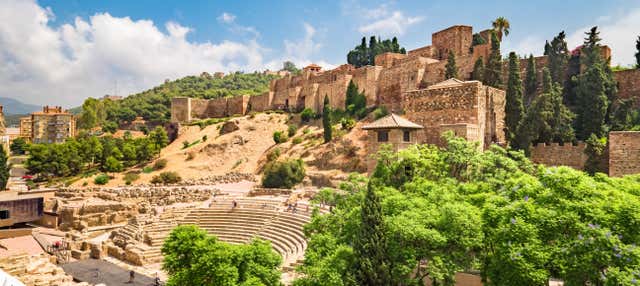
The Alcazaba climbs the hill in terraces, through gates, gardens and courtyards with horseshoe arches. Some columns and capitals were reused from Roman buildings. It is the better-preserved of Málaga's two castles and has the shade and water features that make the climb easier. A combined ticket also covers Gibralfaro Castle higher up the hill, and entry is free on Sunday afternoons.
The choice, in practice. Go on a weekday morning. Sunday afternoon is free, which means the climb gets crowded.
A Roman theater from the 1st century BC at the foot of the Alcazaba. Free to see.
The theater was built in the time of Emperor Augustus and was rediscovered in 1951 behind the Casa de la Cultura. Part of the tiered seating and the stage area are visible today. It sits at the foot of the Alcazaba, so it works as the first stop before you climb. Entry is free, and the visit is short.
The choice, in practice. Pair it with the Alcazaba. The two stand side by side and show two eras of the city.
A hilltop castle above the Alcazaba with a wall walk and the best views of the port. Steep climb; a bus is an option.
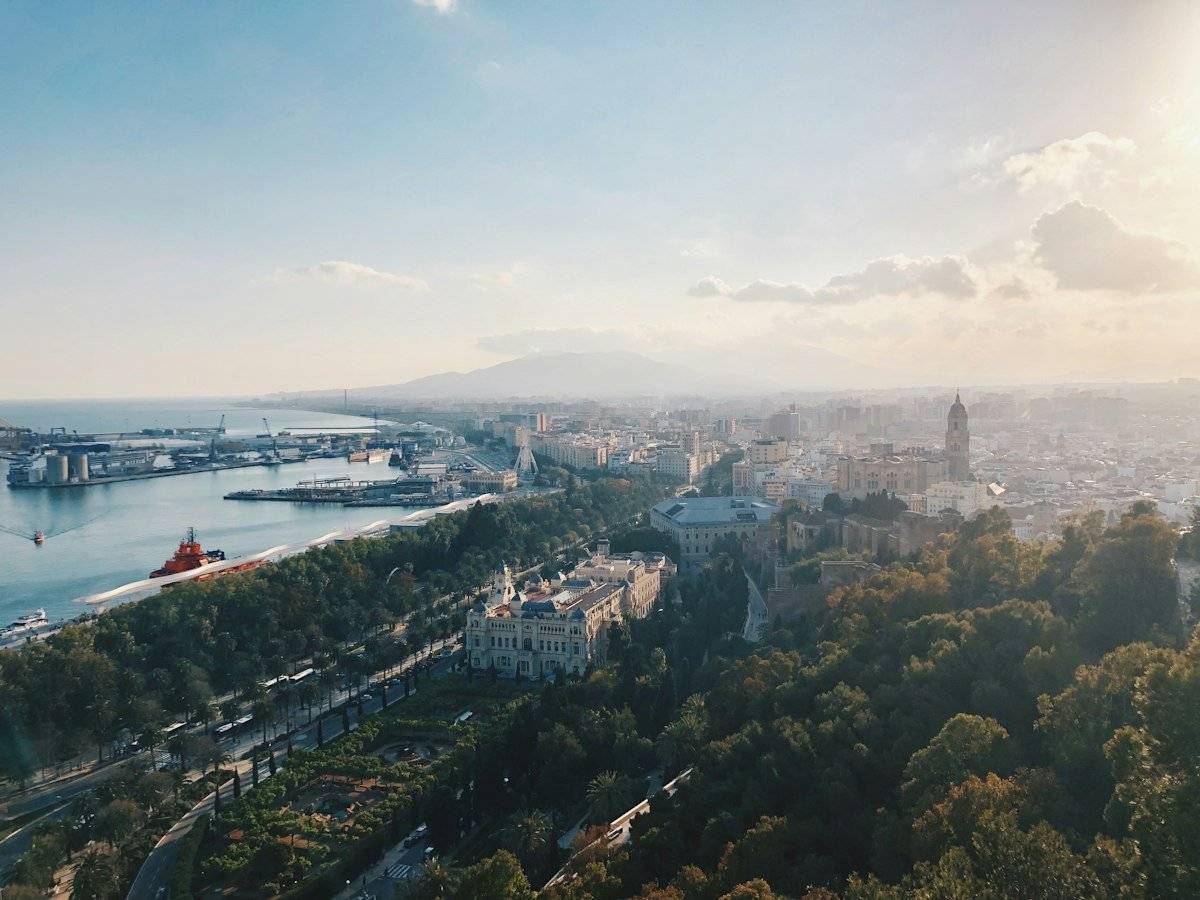
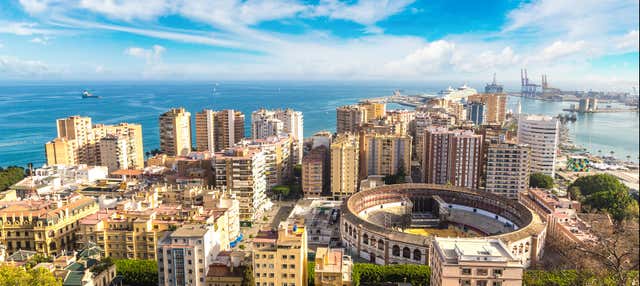
Gibralfaro was built in the 14th century to protect the Alcazaba and the city. Its main attraction is the wall walk, which gives views over the port, the bullring and the old center. The way up is a steep path; a city bus goes to the top for those who prefer it. Gibralfaro is also on the combined ticket with the Alcazaba, so you can buy one pass for both.
The choice, in practice. Climb in the morning or toward sunset, and carry water. There is little shade on the path.
A museum of Picasso's work in the city where he was born, in a 16th-century palace.
Pablo Picasso was born in Málaga in 1881, and the museum, in the Buenavista Palace, shows around 200 works from across his career. Many were donated by his family. Ruins of Phoenician and Roman walls are visible in the basement. Temporary exhibitions change, so check the program on the official site and book a slot ahead for busy periods.
The choice, in practice. Reserve a time slot in advance in high season and plan about an hour and a half.
The port promenade with shops, bars and a view back to the hill. Free to walk.
Muelle Uno is an open-air promenade along the port, lined with palms, shops, restaurants and a weekend market. It links the old center to the lighthouse area and gives a view back to the Alcazaba and Gibralfaro. The Centre Pompidou Málaga stands here in a colored glass cube; it is a paid museum with its own ticket and program, so check the current details.
The choice, in practice. Walk here after the castle climb. It is flat, shaded in places and next to the water.
A former fishing barrio with beachfront restaurants known for sardines grilled on skewers. Free to walk.
East of the center, Pedregalejo still feels like a fishing village. The promenade runs along small beaches, and the restaurants grill espetos, sardines on skewers, over open fires in old boats filled with sand. It is a place for a long lunch rather than a list of sights. A city bus or a long seafront walk from the center takes you there.
The choice, in practice. Order espetos as they come off the grill. The fish on offer depends on the season.
Not just monuments. Three ways into its character.
01 / ANOTHER VIEW
Centro Histórico
The old center around the cathedral, the shopping street Calle Larios and the Atarazanas market. Most monuments are inside a 15-minute walk of each other. It is crowded at midday, so use the early morning for the cathedral square and the quieter lanes behind it.
A district between the center and the port, known for street art and murals on building walls. Galleries and small cafés fill the streets, and it makes a good short walk between the Picasso Museum and Muelle Uno. Look at the walls as much as the shops.
The seafront barrio east of the center, with small beaches, fish restaurants and a slow pace. It is the right area for an evening meal by the sea or a late lunch after the castles. A city bus or a long seafront walk gets you there.
Roman Theatre, Muelle Uno and the port, Pedregalejo seafront. Walks don't include the interiors of attractions.
Choose your entry.
Alcazaba, Gibralfaro Castle, Museo Picasso Málaga. Check the date, the time and the areas included in the option you choose.
Give places context.
A guide can make the difference if you want to connect what you see to history. Compare language and inclusions before booking.
A detail that helps. Buy the combined Alcazaba and Gibralfaro ticket, and check the official site for the current rules and free Sunday-afternoon entry.
Book a slot at the Picasso Museum in advance for busy periods. The castles and the Roman Theatre do not need a reservation.
Do the hill in the morning or toward sunset. Summer afternoons are hot and the path has little shade.
Málaga is compact. The old center, the theatre, the castles and the port are all within an easy walk of each other.
QUESTIONS TO ASK FIRST
Inside Málaga, with a clear head.
What should I book in advance in Málaga?+
Book the Museo Picasso Málaga ahead in busy periods. The Alcazaba and Gibralfaro Castle are normally bought on arrival, and a combined ticket covers both. The Roman Theatre, Muelle Uno and the Pedregalejo seafront need no ticket. Check the official sites for the rules on your travel dates.
Is the Roman Theatre free?+
Yes, the Roman Theatre is free to see. It stands at the foot of the Alcazaba, so it makes a natural first stop before you pay for the fortress. The Alcazaba itself charges entry, except on Sunday afternoons, when the official site lists free access.
Can I visit the Alcazaba without a guide?+
Yes. The Alcazaba has signs and visitor information on site. If you want the history and a guide in English, tours are available through the Civitatis listings below. A guide helps most with the Moorish layout, the reused Roman columns and what the views are looking at.
Is the walk up to Gibralfaro Castle difficult?+
It is steep. The path climbs the hill from the Alcazaba area and has little shade, so wear good shoes and carry water. A city bus goes to the top if you prefer not to walk. Many visitors walk up and take the bus back down.
CURIOSITY DESERVES CLEAR SOURCES
Where the information comes from.
Each place links to its own source. The text separates editorial guidance from conditions to reconfirm for your date.